Haruki Murakami described writing as a kind of physical endurance and discipline, like long-distance running. When I think of writing, the first image is a firework: brief, compact, and leaving a residue of light after the explosion. This captures the kind of impact I feel after reading some of the best writing.
A friend gifted me Novelist as a Vocation for my birthday this year (thank you Shawn!) and that got me thinking: What makes writing durable as a medium when AI makes text increasingly easy to generate?
When the outcome of writing can be easily attained, the weight of writing shifts to the process of attention, clarification, and self-formation.
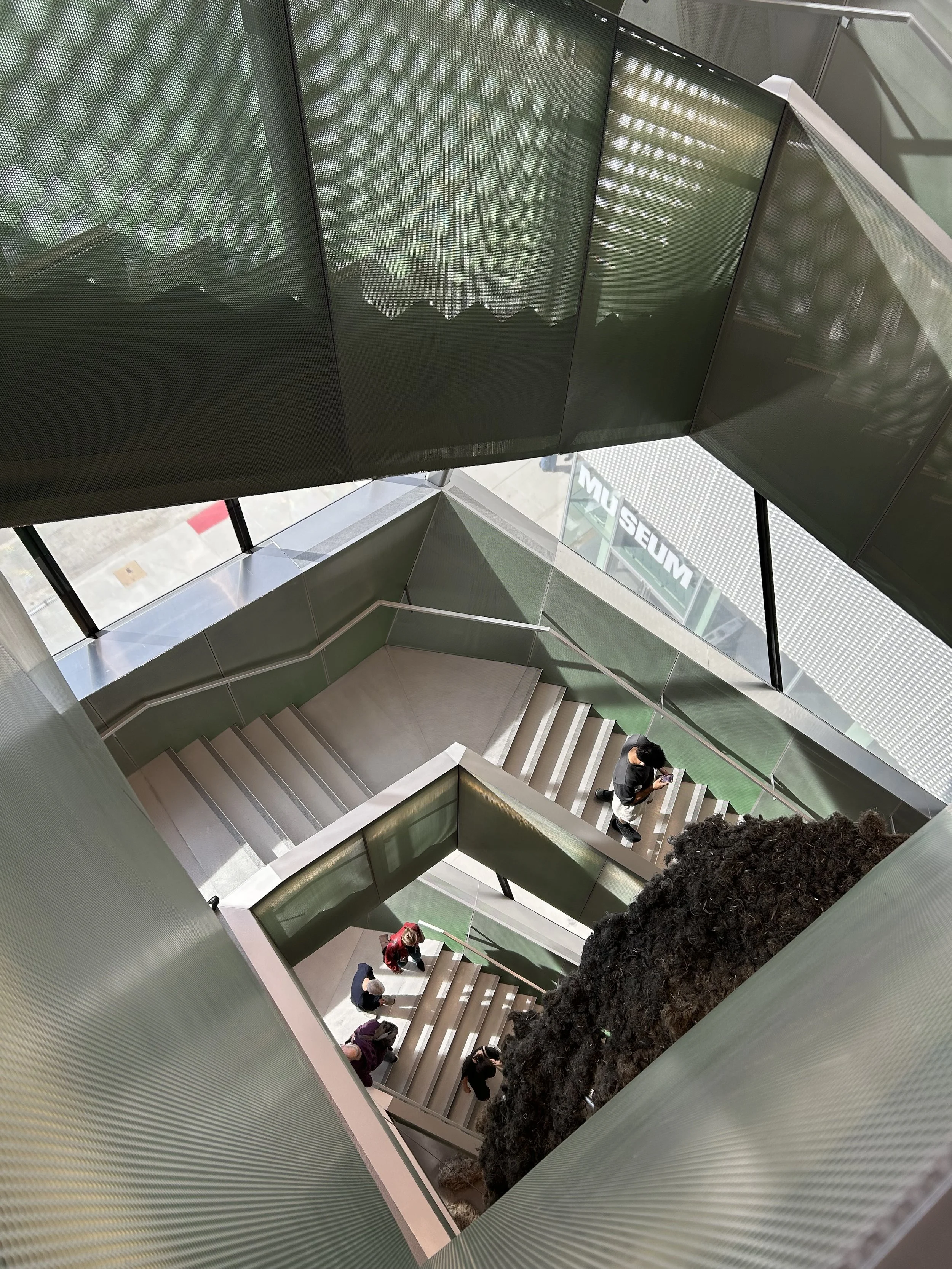
New Museum
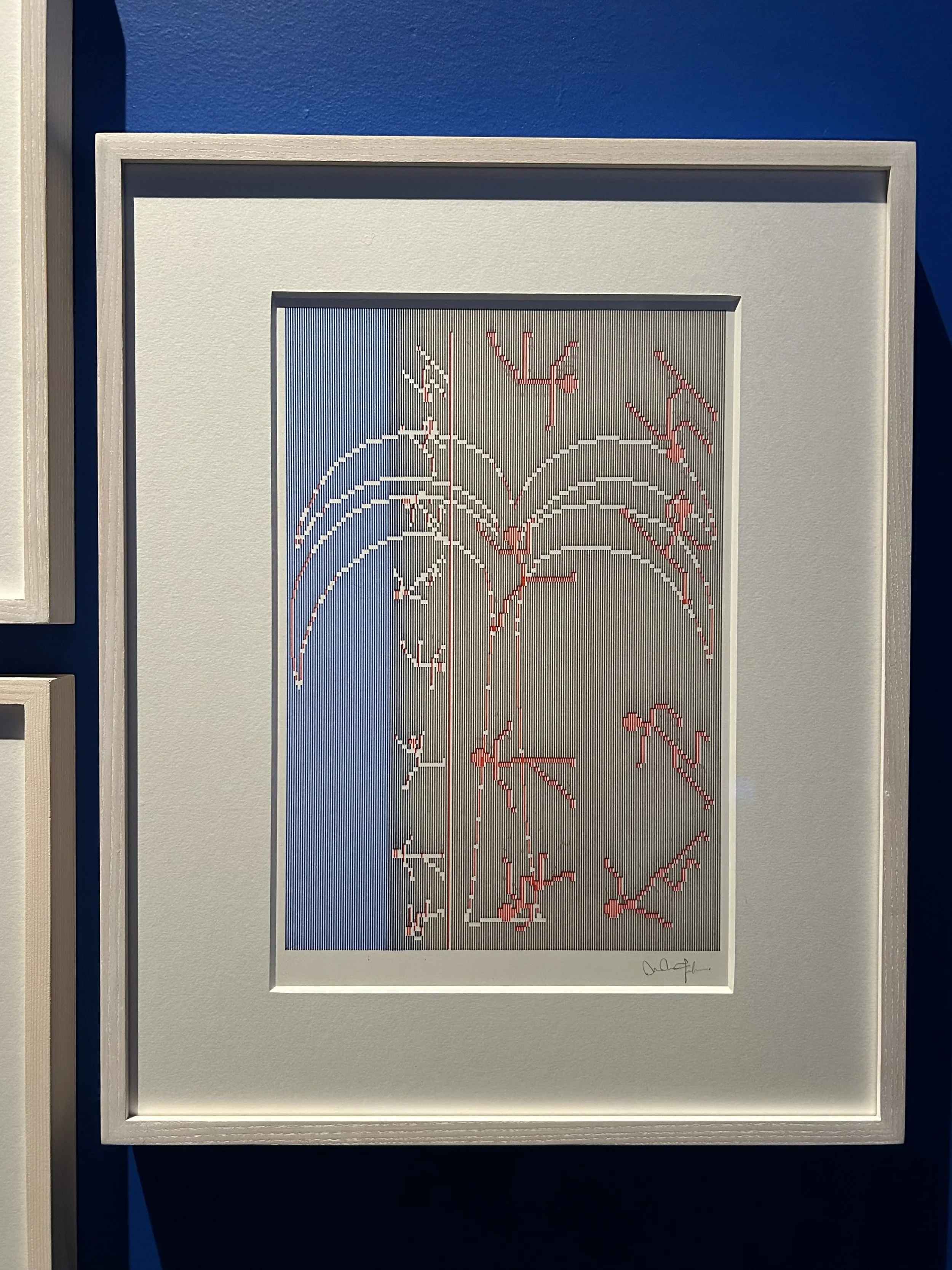
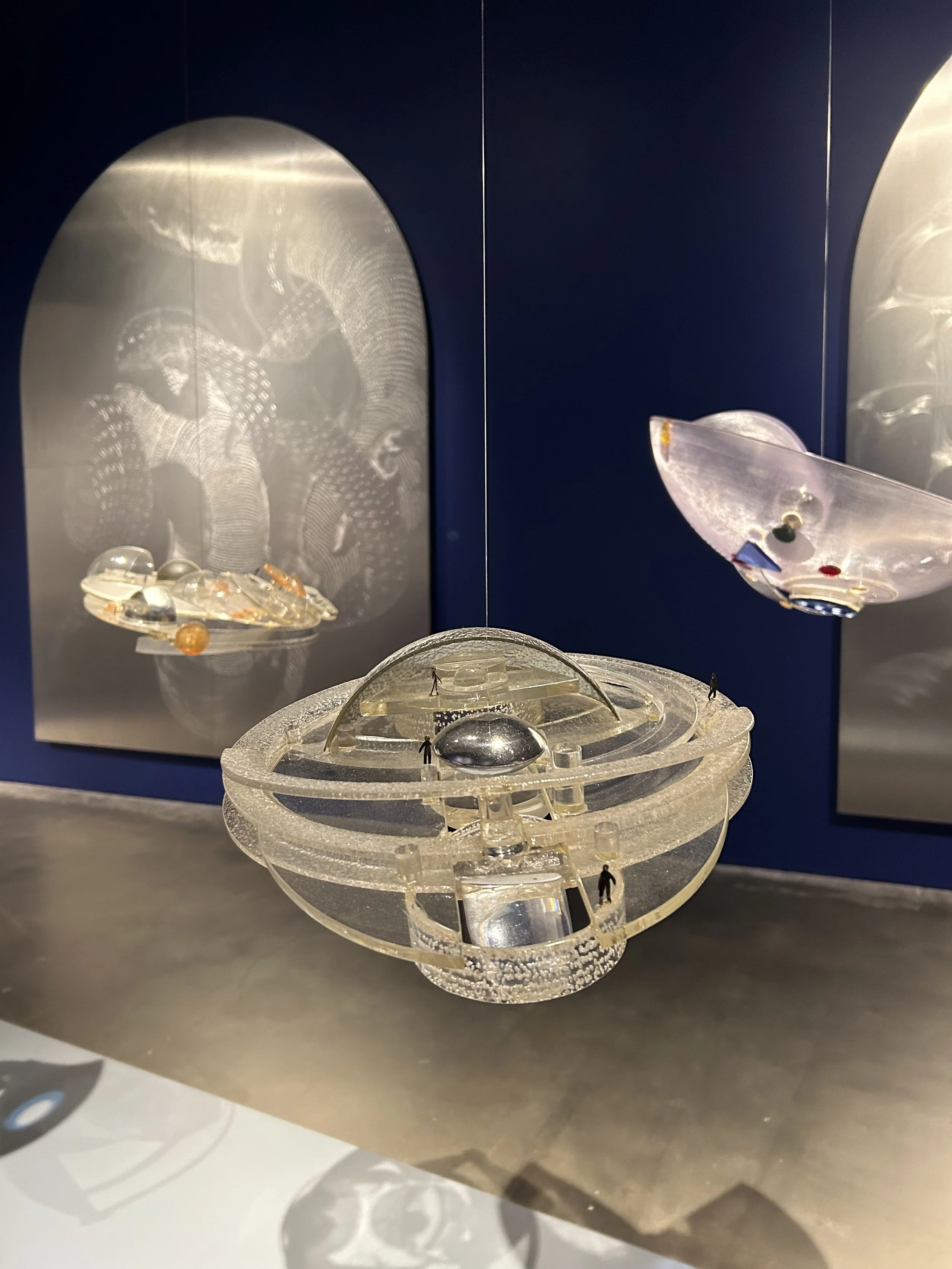
I’m drawn to writing first for this very process. Over the years, writing has become a tool to prototype my thoughts on paper and witness the many iterations of myself. The feeling of arriving at a clearer place with calm through writing and relying solely on myself is empowering. In times of chaos, writing gives me a kind of quiet peace that is hard to explain. It forces structure and time in processing complex, messy information. Letting thoughts sit for some time and observing them from a distance is often all it takes to make me feel better at these moments.
Writing is clarifying because it turns messy thought into the simplest possible form of a concept. While video and audio amplify emotion and expression, I find it reassuring that writing can subtract complexity into its cleanest essence. It’s true that video helps connect more directly with a person’s identity, and writing inherently creates distance because it structures the raw material through language and reasoning. But that distance also creates a special connection with readers because they have to fill the space with their own imagination. It’s an active form of co-creation.
Another thing I love about writing is that we get to pick the stylistic quality we want. While Murakami prefers novels, I have a clear preference for short stories. This goes back to the firework metaphor. This is partly influenced by Borges’s short stories, where he packs epic, grand narratives into compact pieces filled with centuries, myths, and labyrinths. Every time I get to the last page of one of his short stories, I always take a deep breath because I never expected the ending and it feels exactly like a firework in the sky, leaving behind a strange residue of light.
The intention to write forces me to observe, discover, and refine the raw material of everyday life. Maybe this is what writing still protects: not the ability to produce sentences, but the discipline of noticing and experimenting with what a thought could become.
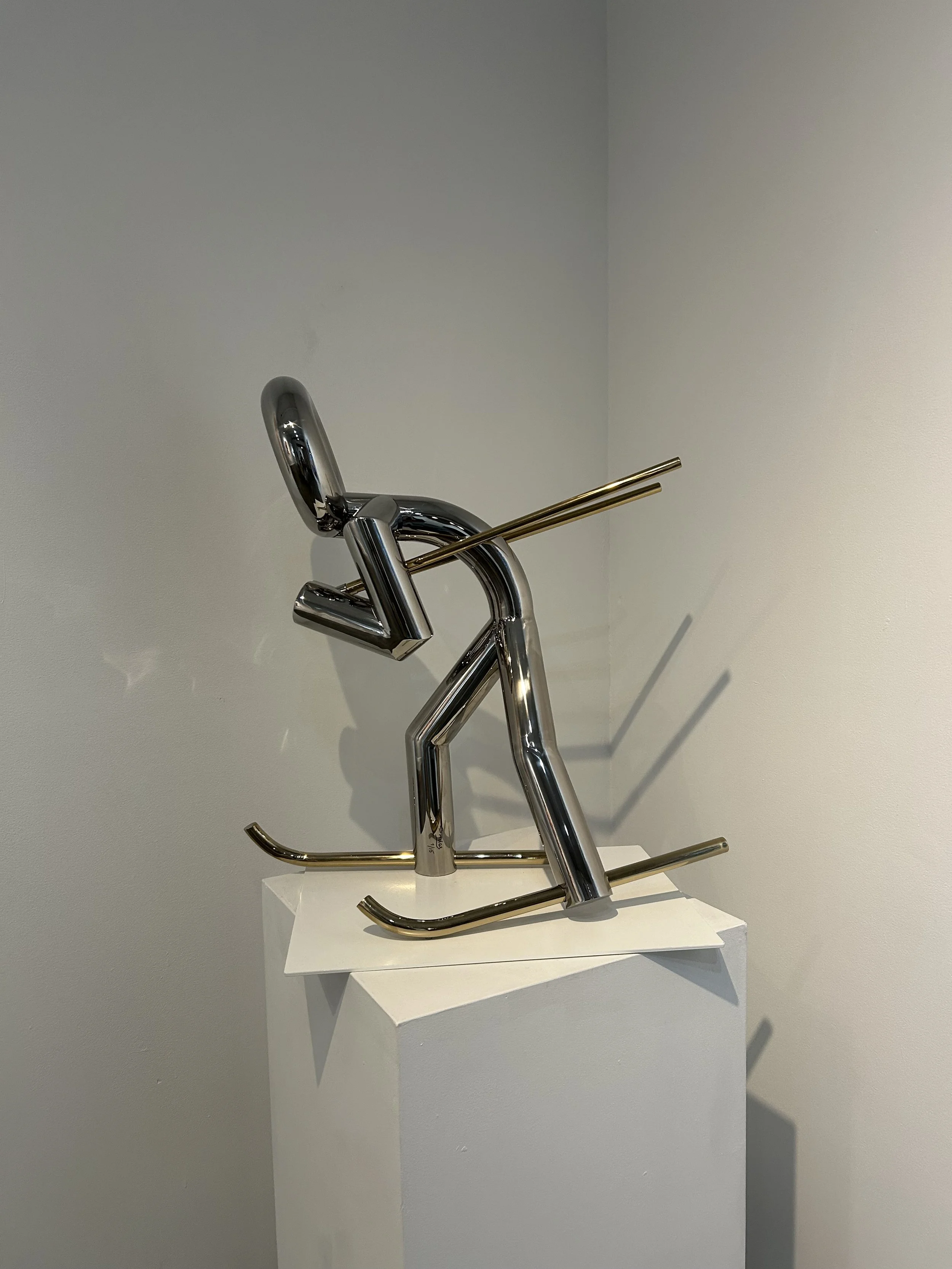
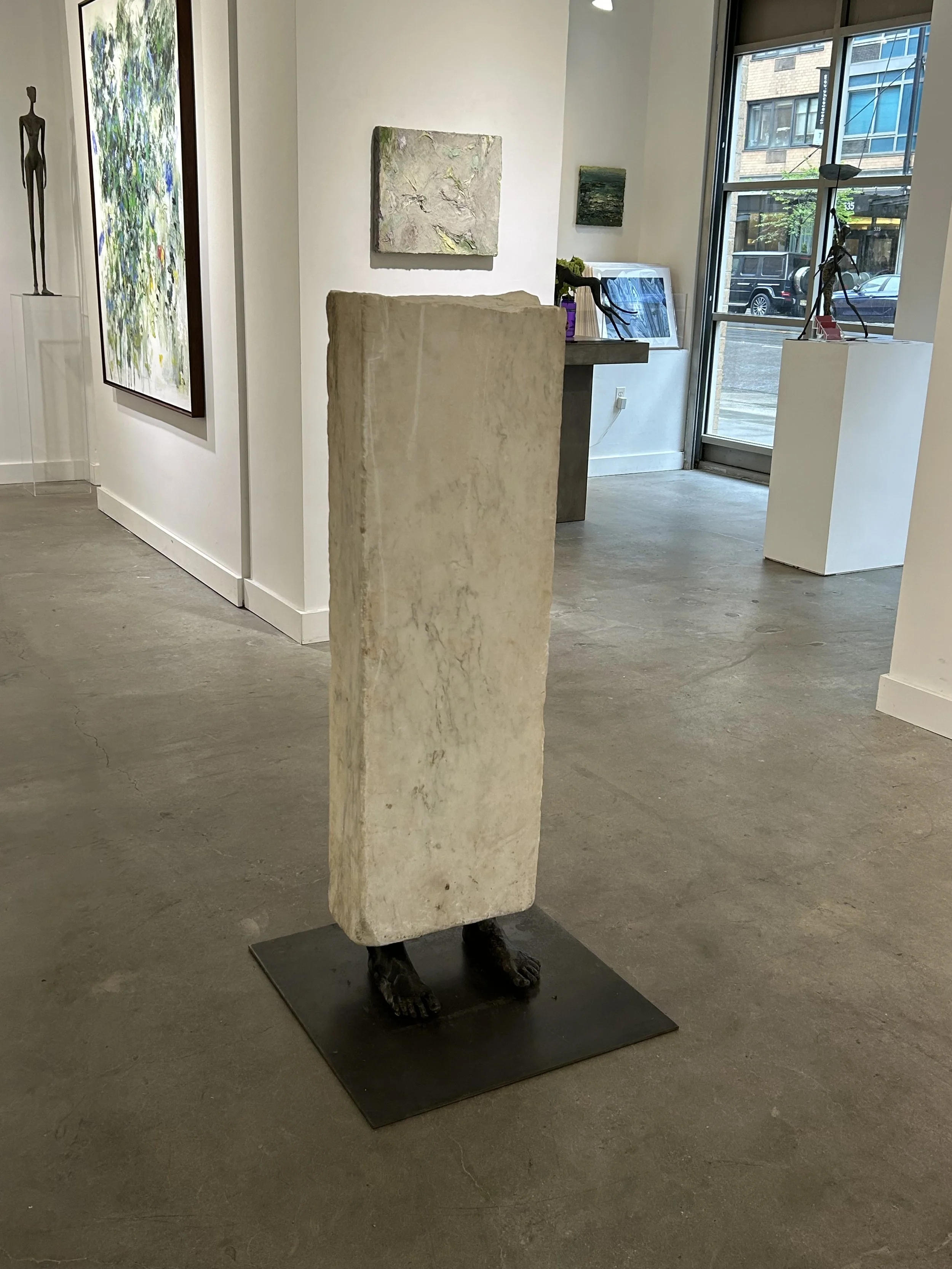
Nicolas Auvray Gallery
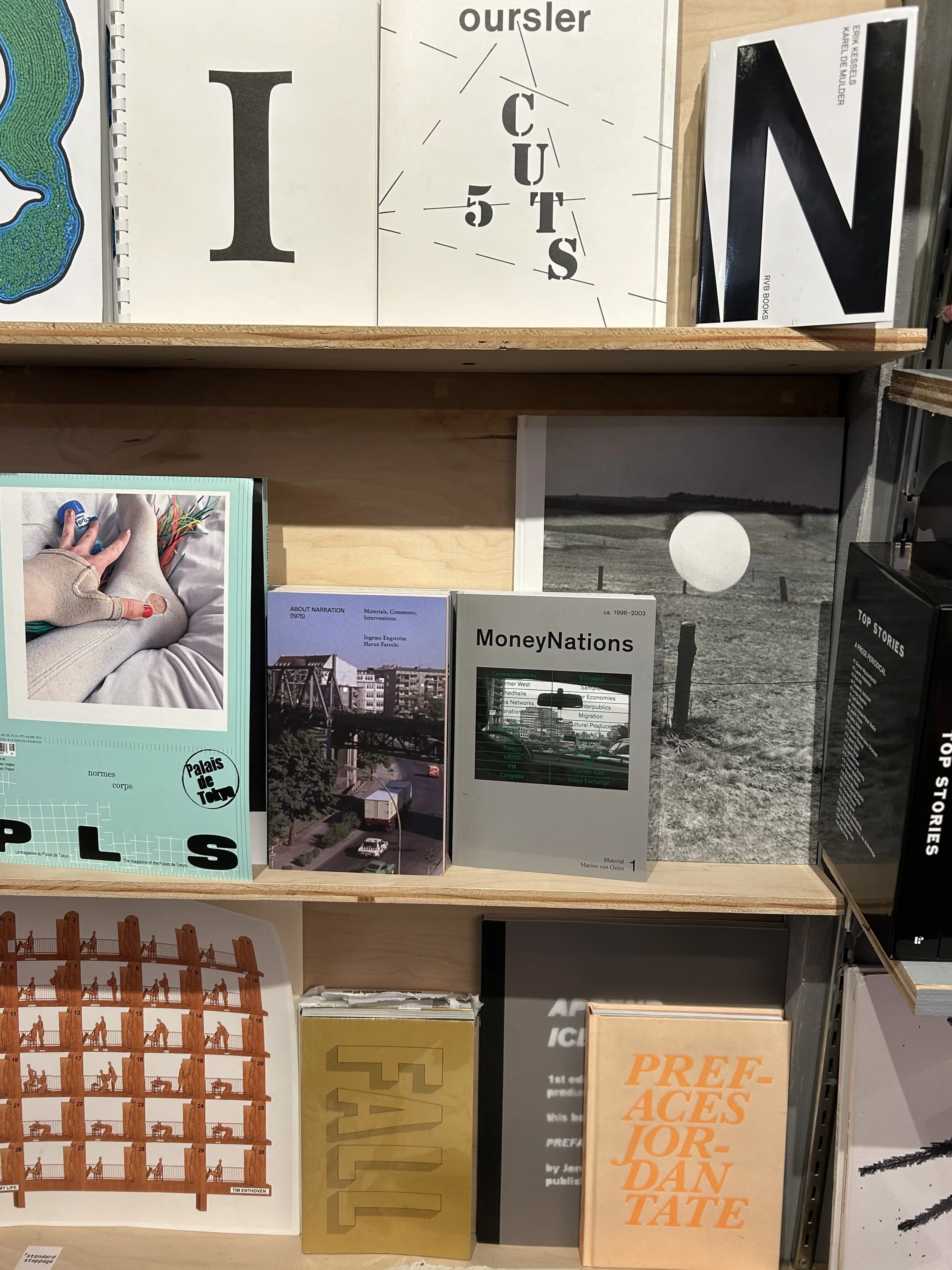
Bungee Space
April has been a busy month — I have a few books lined up that I’m excited to read: Let My People Go Surfing, Collaborative Circles, Hackers & Painters, and How Buildings Learn. I may write about one of them next and will keep you posted!