Recently, I went down a rabbit hole exploring how lighting design evolved. A few things I found fascinating: 1) modern lighting aesthetics have been shaped by just a handful of companies, which is wild given how much first movers define what “good” looks like over decades; 2) lighting design has evolved as new materials, Eastern aesthetics, and software entered the category over time; and 3) more recently, 3D printing and adaptive lighting behavior have emerged as new mediums. The design of everyday things really does reflect history in big and small ways.
Lighting feels like an underrated category because it is so familiar, but it sits at the intersection of hardware, technology, and art. Smart lighting is also one of the faster-growing parts of home decor, as the category expands into wellness and lifestyle. It quietly shapes how a room feels, how a home supports rest, and how environments express taste and identity. I’ve been wondering how lighting evolved this way, and how new technology is now reshaping both its form and production.
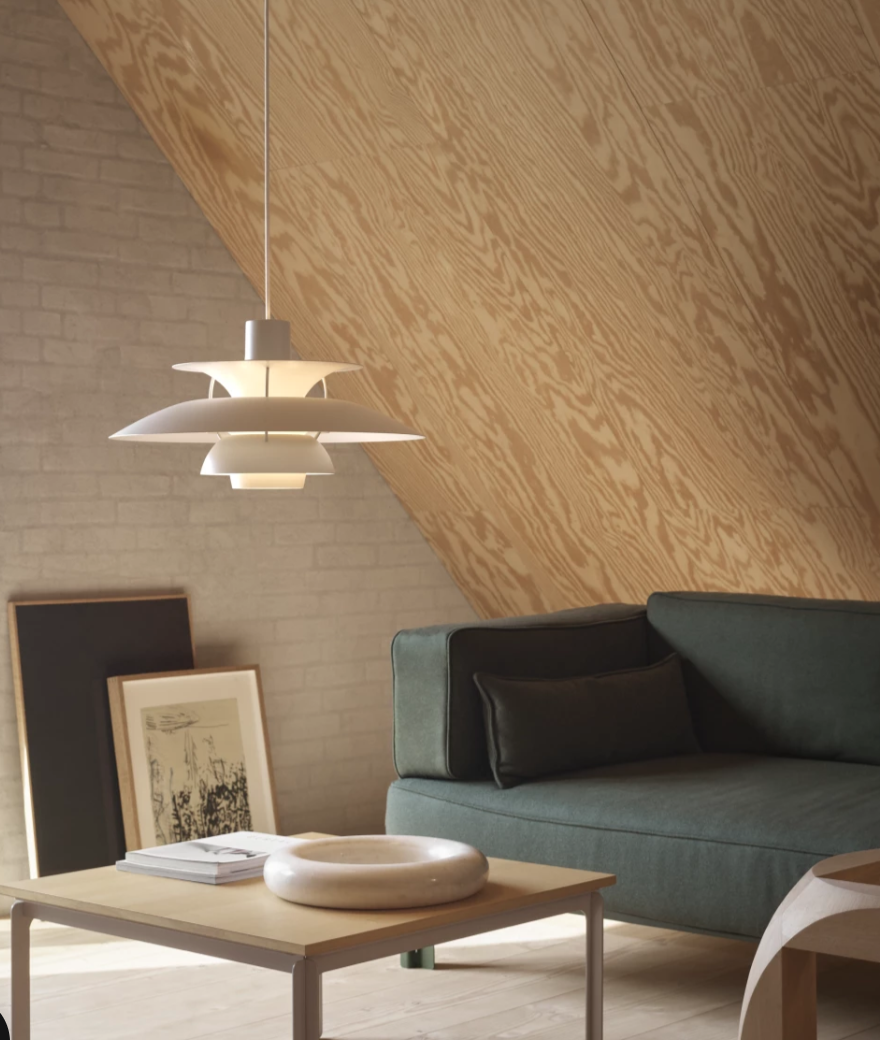
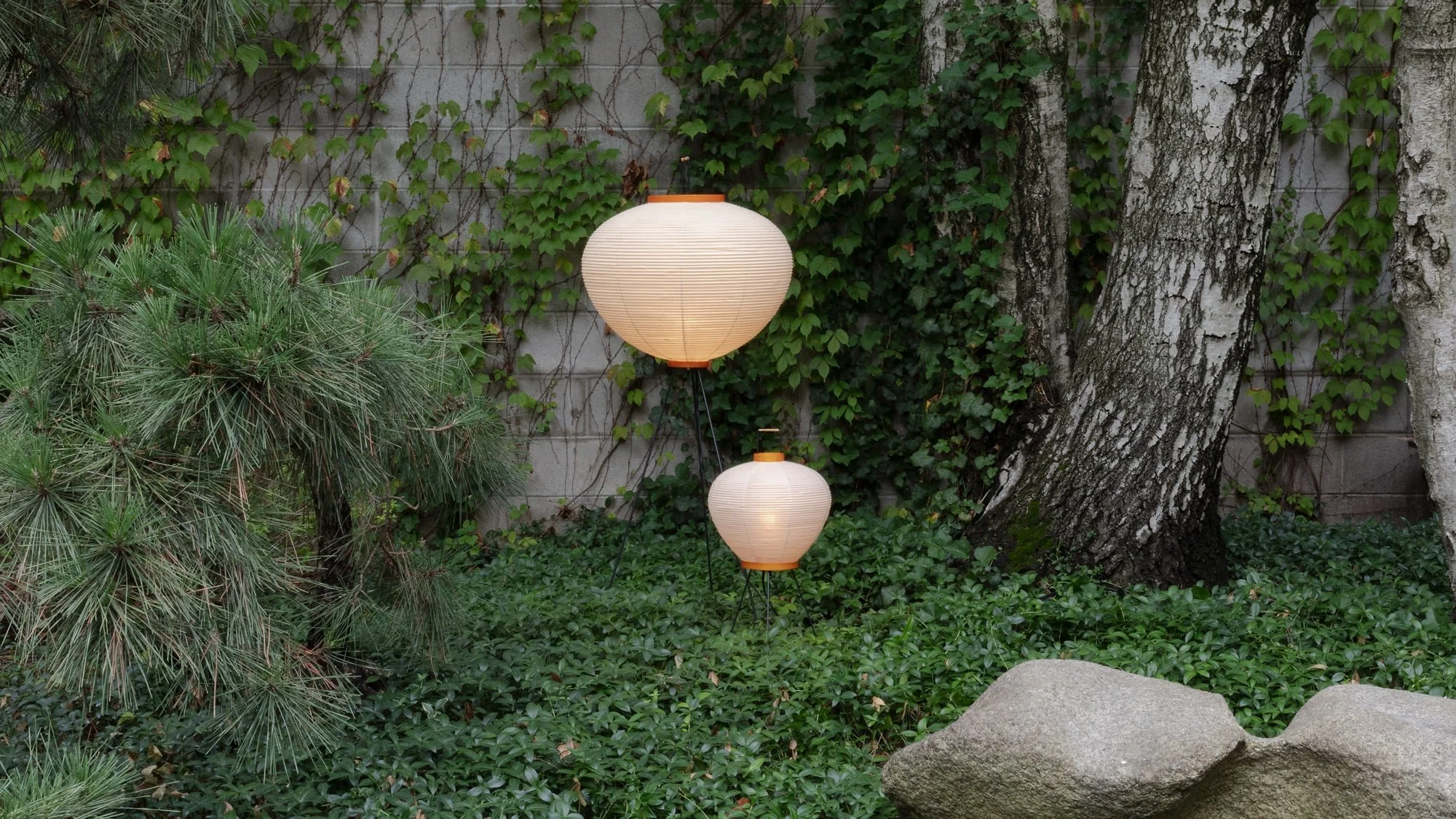
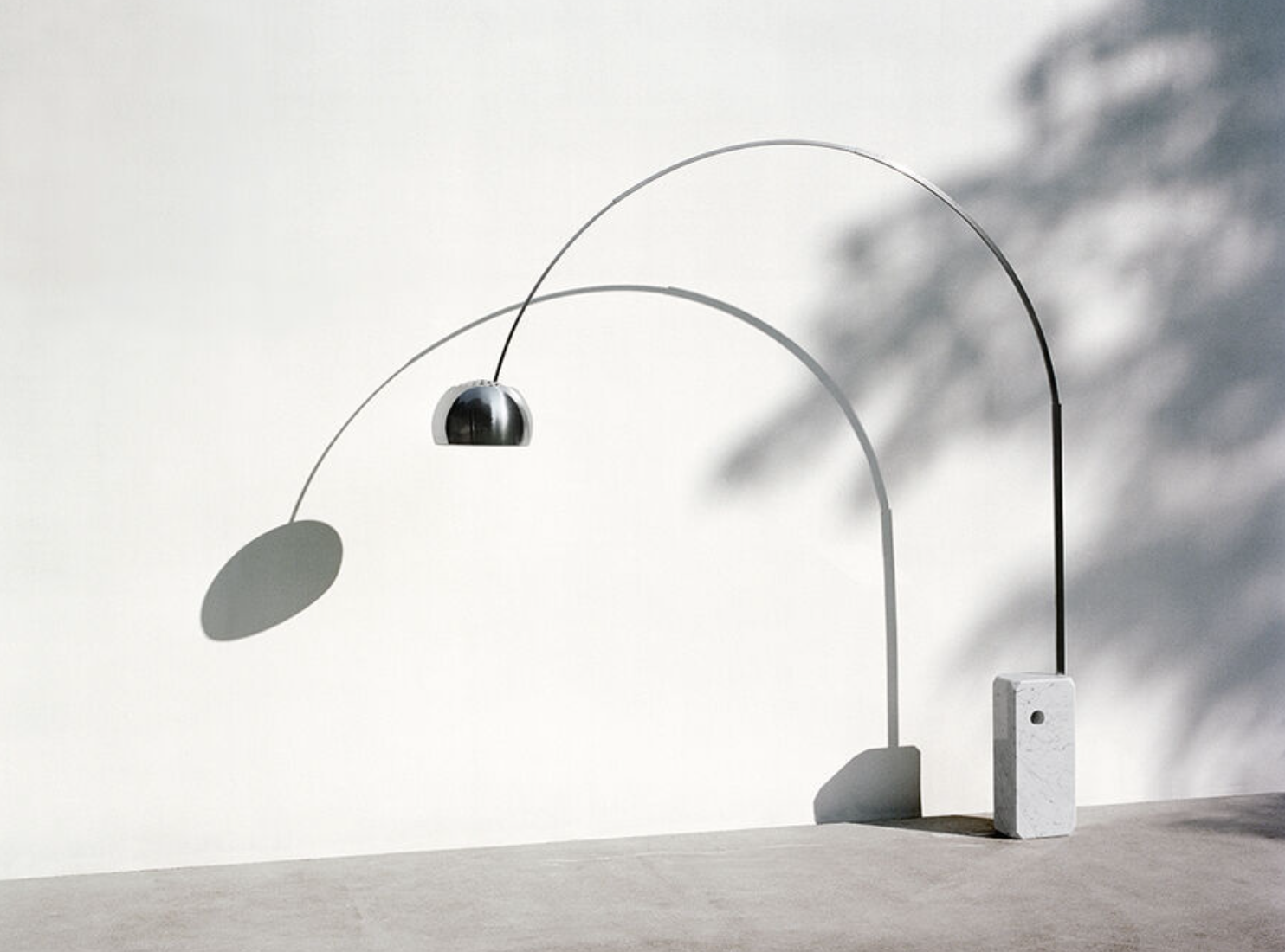
5 companies that shaped modern lighting
It’s wild that what we consider “good” aesthetically has been defined by a handful of companies and mostly from the West. Aesthetic preference is shaped by modern economics and industrial history, and we can see this reflected in where these category-defining companies emerged: many came from Europe (Denmark, Italy, Sweden), then one from Japan, and more recently one from San Francisco.
Louis Poulsen (Denmark, 1874) — light as a science of human comfort. In the early electric era, lighting was about brightness. Louis Poulsen’s PH series was among the first that made comfort a design goal, using a three-shade system to reduce glare and shape how light feels emotionally.
Isamu Noguchi (US/Japan, 1951) — light as sculpture. As Eastern aesthetics entered the category, Noguchi reimagined Japanese paper lanterns into the Akari series, using washi paper and bamboo to create soft, sculptural forms. He described them as art objects that happened to glow and introduced new material philosophy.
FLOS (Italy, 1962) — light as spatial furniture. FLOS was among the first to turn lighting from a supporting character to a visual centerpiece in the living room with Castiglioni’s Arco lamp, which solved the problem of needing wiring or ceiling installation.
IKEA (Sweden, 1950s) — design for everyone. We’re all very familiar with this one. IKEA’s philosophy is to make modern lighting affordable and accessible for everyone. And notably, its large-scale shift to LED helped bring high quality, energy-efficient lighting into ordinary homes.
Philips Hue (Netherlands, 1891) — light as software. As software integrated with lighting, Philips Hue turned lighting from a fixed object into a programmable experience. Users could adjust light for mood, focus, or rest, bringing lighting closer to wellness and making behavior part of the design.
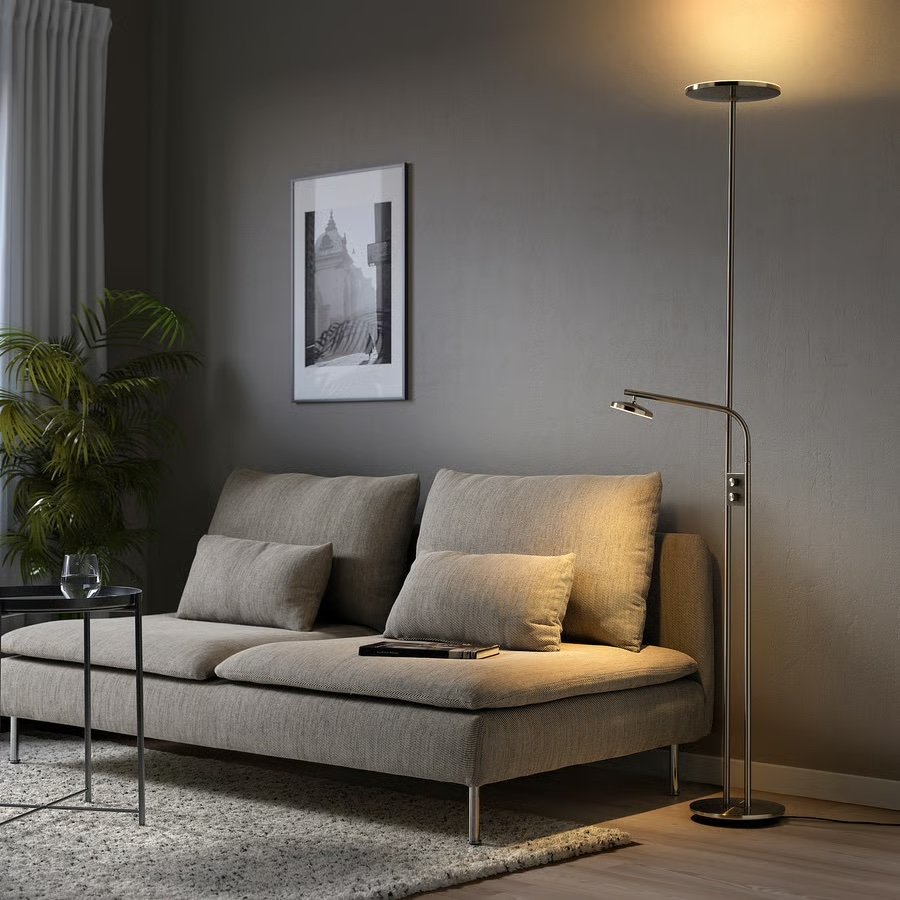
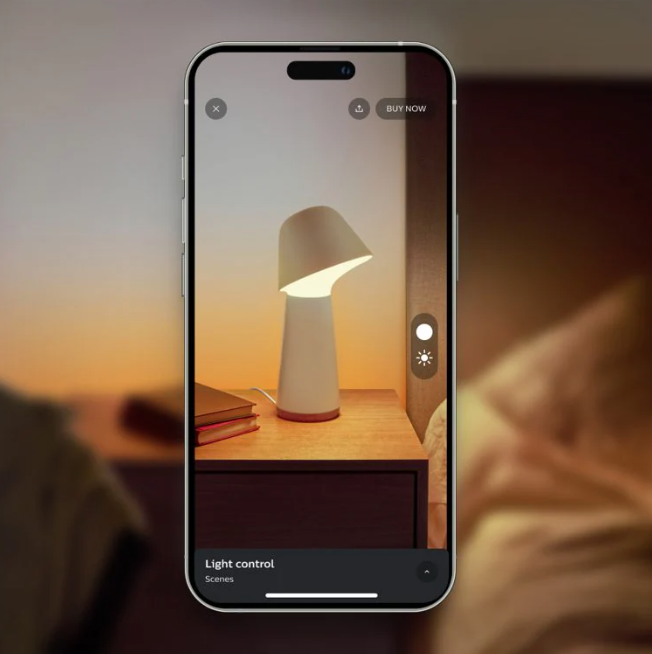
Together, each company pushed the boundaries of lighting design in different ways: Louis Poulsen was solving a physics problem. Noguchi was reframing lighting as art. Castiglioni was being theatrical. Philips was thinking about biology. IKEA was thinking about fairness of good design.
Most recently, we’re seeing lighting shifts from designing its physical form to designing its behavior, integrating with programmable software, organic materials, and enhancing wellness and circadian rhythm. New materials like recycled ceramics and plant-based polymers are growing in popularity with 3D printing.
Reimagining how lighting gets made
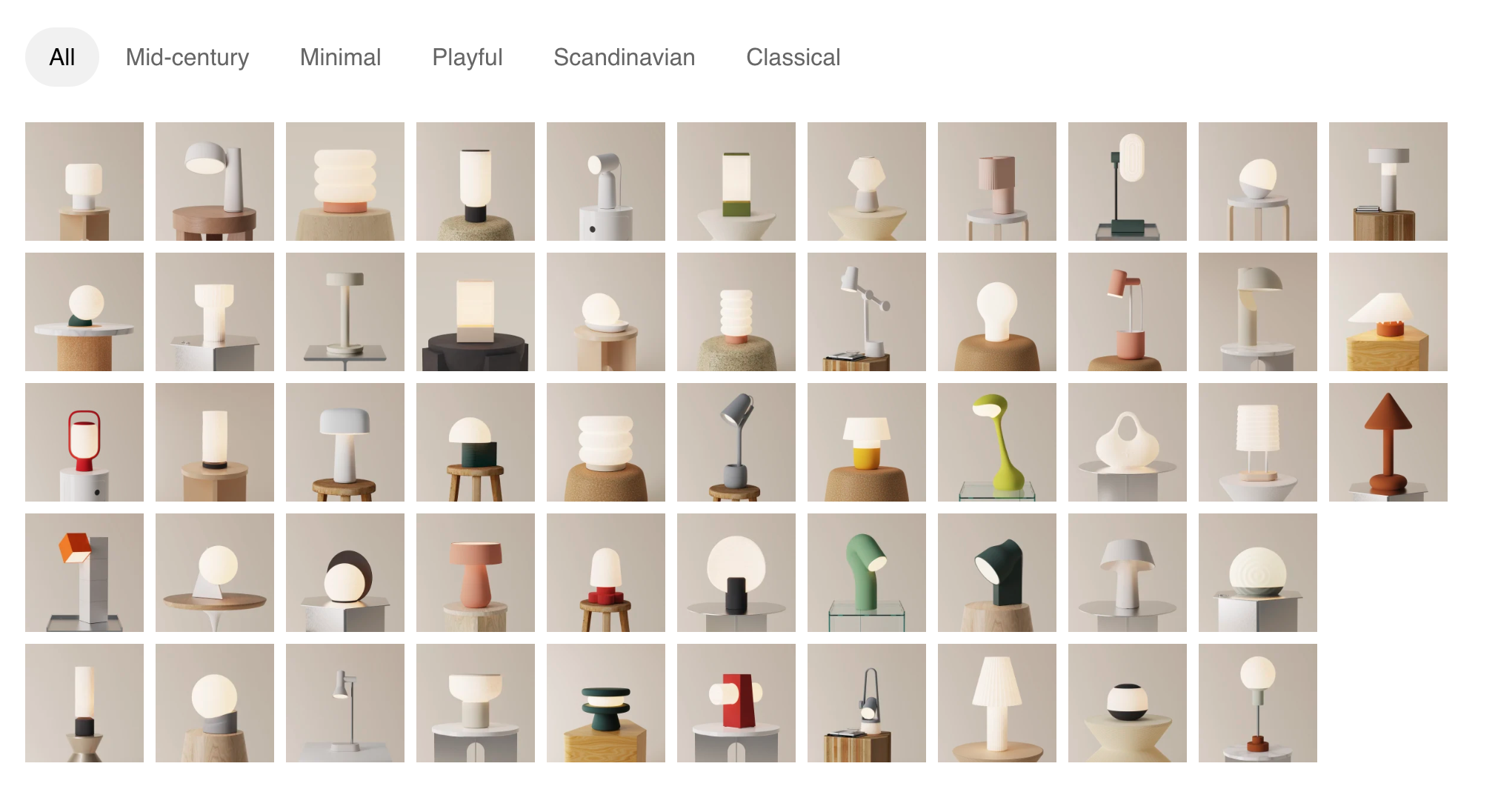
Beyond the classic designer brands, one other company caught my attention because it is pushing on a different part of lighting design: not just the form of the object, but the system behind how it gets made. Gantri, based in San Francisco, is using 3D printing to shift lighting production away from the heavy upfront cost and complexity of traditional manufacturing toward a more lightweight, on-demand model.
This feels noteworthy because so much of modern lighting history has been shaped by iconic designs: a lamp or a material language that comes to define an era. Gantri took a different path: it’s less about introducing a canonical design, and more about rethinking the production process itself. In that sense, it feels closer to an infrastructure company than a traditional designer brand.
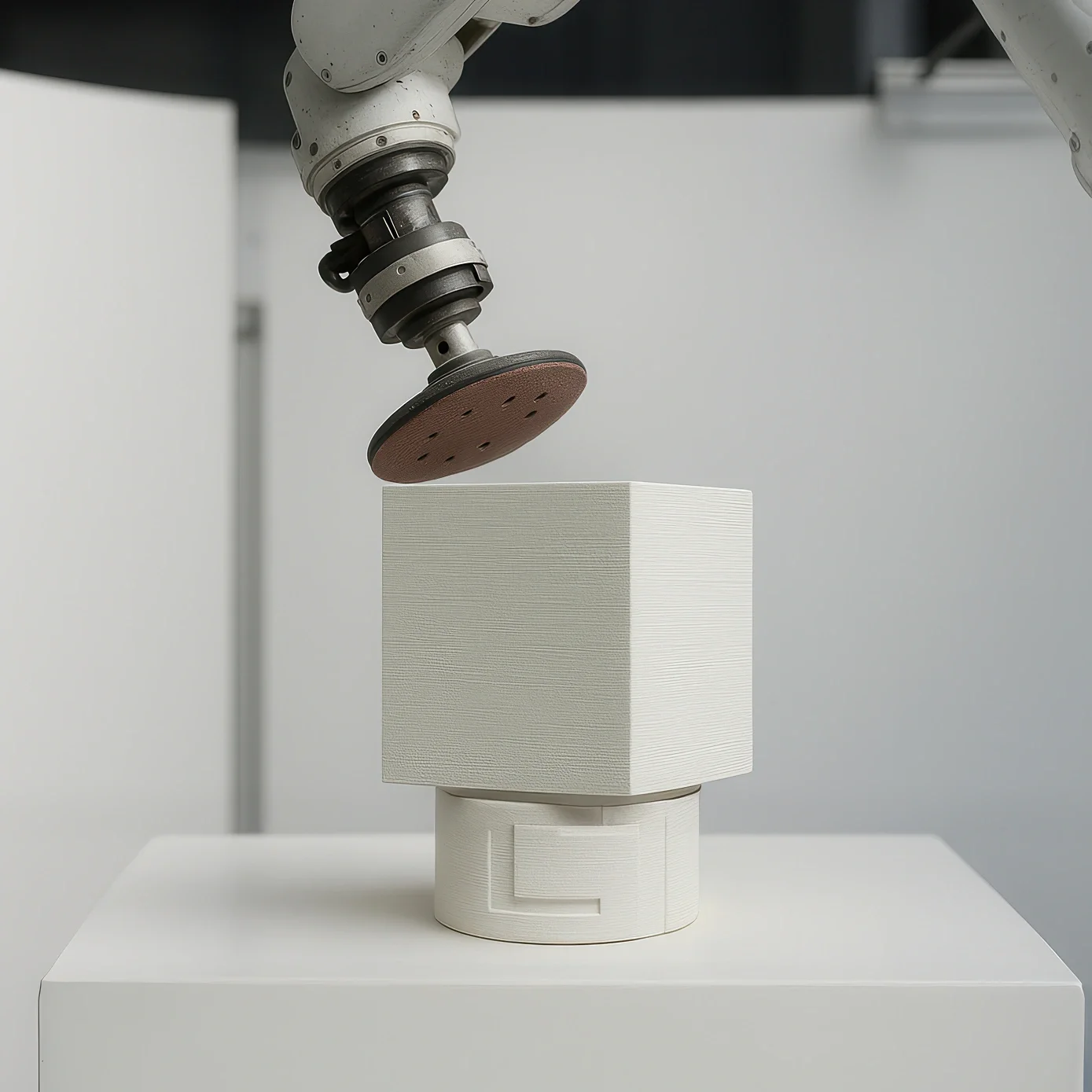
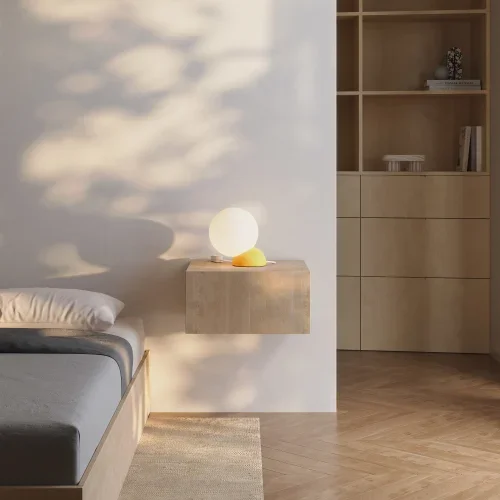
When Ian Yang founded Gantri in 2016, he was addressing a real constraint in the category: lighting was expensive and difficult for emerging designers to produce, while consumers were often stuck between cheap mass-market options and expensive designer pieces with long lead times.
What stands out to me is that it treats production itself as a design medium. By improving 3D printing quality and developing its own plant-based material, Gantri made it possible to produce lighting objects that feel warmer, more refined, and less obviously 3D-printed. That changes not just cost and speed, but also allows for softer, more biomorphic forms.
Its marketplace model extends that logic. Designers can focus on the concept and hand off the production, fulfillment, and distribution, which lowers the barrier to bringing an idea into the world. So while earlier lighting companies helped define how modern lighting should look and feel, Gantri points to a different shift: expanding who gets to participate in shaping the category.
Form → Feeling → Behavior
Maybe that’s why lighting feels so interesting to me. It seems familiar, but it quietly records bigger shifts in how we live: from brightness to comfort, from object to atmosphere, from fixture to adaptive system. The history of lighting is also a history of how taste, technology, production, and cultural power evolve together. If the last century of lighting was about designing form, the next may be about designing behavior and lowering the barrier to creating new kinds of lighting.
As an ending note, spring is finally here in NYC and I can’t wait to share some green and gentle breeze with you! See you in the next post.
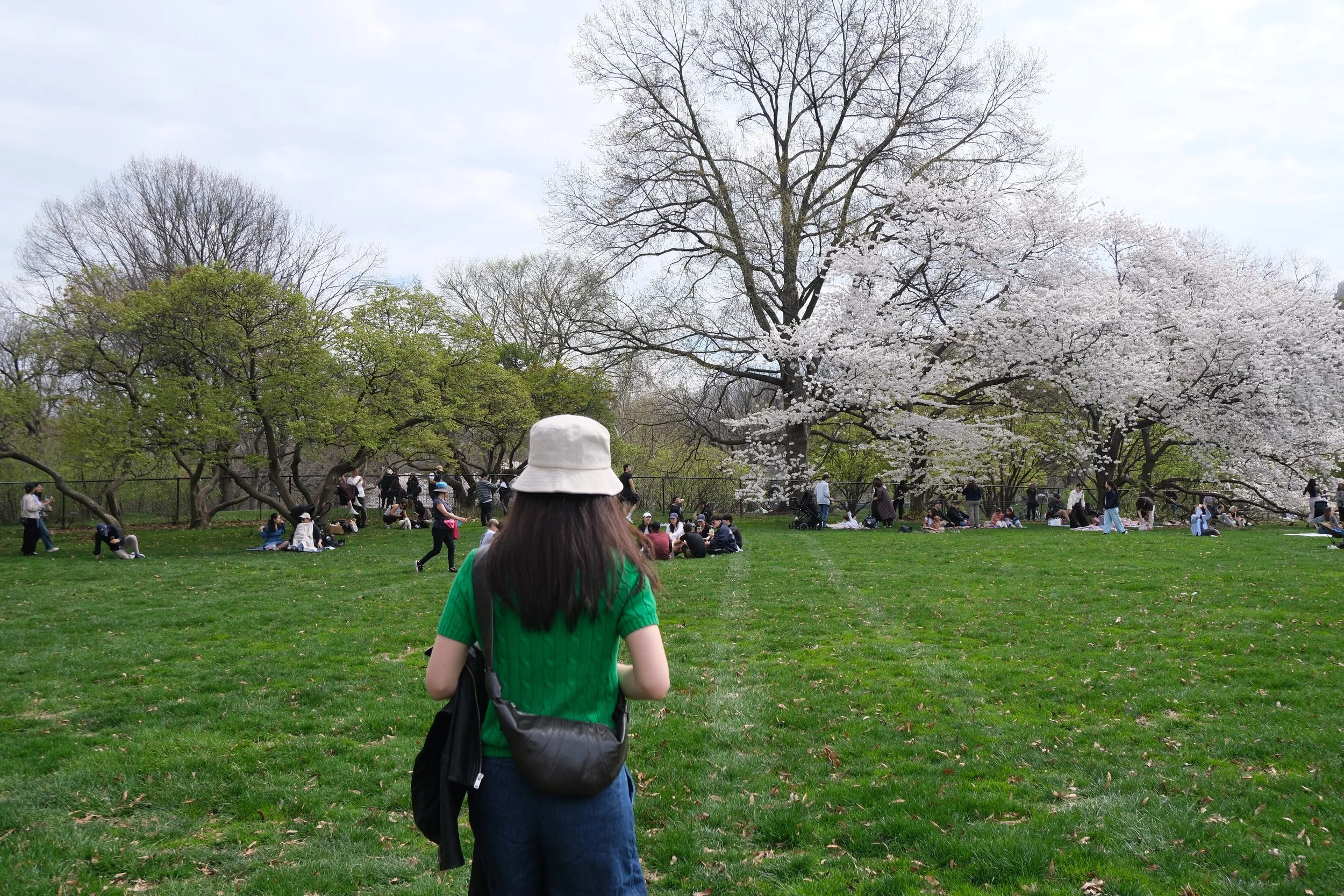
Central park in April. Also, random song recommendation: Jellyfish (feat. Michael Seyer) by Sunset Rollercoaster.